How Journaling Can Help You Understand Your Emotions
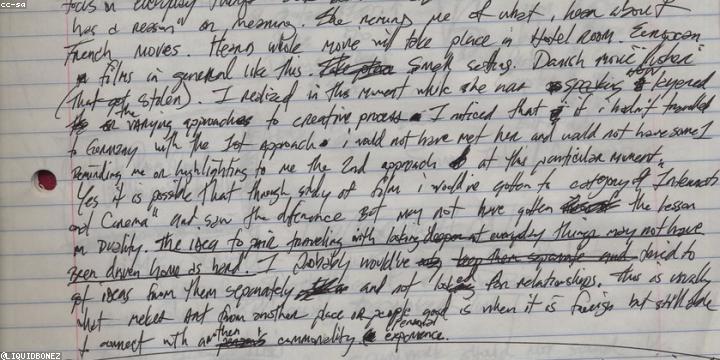
Have you ever had a day where everything felt off, but you couldn’t quite explain why? Or a week where your mood kept shifting and you couldn’t figure out what was driving it? You’re not alone. Our emotions can feel like a tangled mess sometimes — and that’s exactly where journaling can help.
Writing things down doesn’t solve everything, but it gives your thoughts somewhere to land. And over time, it can help you see yourself more clearly.
You Don’t Need to Be a Writer
Let’s get this out of the way: journaling isn’t about writing beautiful prose. You don’t need a leather-bound notebook or perfect handwriting. A notes app on your phone works just fine. So does the back of an old envelope.
The point isn’t to create something polished. It’s to get what’s in your head out onto something you can look at. Even a few messy sentences count.
What to Write About
If staring at a blank page feels intimidating, here are a few simple prompts to get started:
- How do I feel right now? Just name it. Tired. Anxious. Calm. Irritated. Happy. There’s no wrong answer.
- What happened today that stood out? It doesn’t have to be dramatic. Maybe someone said something kind. Maybe the bus was late and it threw off your morning.
- What do I need right now? Rest? Connection? Space? A snack? Sometimes we don’t know what we need until we ask ourselves.
You can write two lines or two pages. Both are valid.
Patterns Start to Emerge
One of the most powerful things about keeping a journal is what happens after a few weeks. When you look back, you start noticing things:
- Maybe you always feel low energy on Mondays.
- Maybe your mood lifts after you spend time outside.
- Maybe a certain situation or person consistently leaves you feeling drained.
These patterns aren’t always obvious in the moment. But when you can see them written down over time, they become clear. And once you see a pattern, you can start making choices around it.
It’s a Conversation With Yourself
Think of your journal as a quiet conversation with yourself — one where nobody is judging, nobody is interrupting, and you don’t have to perform. You can be honest in ways that feel risky in regular conversation.
You can write things like: “I don’t know why I’m so angry today” or “I think I need to set a boundary with this person but I’m scared to.” You don’t need answers. Sometimes just putting the question out there is enough.
When to Write
There’s no perfect time. Some people like writing in the morning to set intentions. Others prefer the evening, to reflect on the day. Some only write when something big happens.
The best time is whenever it works for you. Consistency matters more than schedule. Even three times a week makes a real difference over time.
A Few Tips to Keep It Going
- Don’t reread too soon. Write freely without worrying about what past-you said. Let a few weeks build up before looking back.
- Don’t judge what you wrote. Your journal is not a performance. Let it be messy, contradictory, and human.
- Keep it private. Knowing that nobody will read it gives you the freedom to be truly honest.
- If you miss a day, just start again. There’s no streak to maintain. No failure. Just pick the pen back up whenever you’re ready.
A Small Practice With Big Returns
Journaling isn’t magic. It won’t fix everything overnight. But it creates a space where you can slow down, pay attention to your inner world, and start understanding yourself a little better — one page at a time.
You might be surprised by what you discover when you simply ask yourself: how am I feeling today?